My Last First Day Senior 2026 Graduation
The phrase "My Last First Day" captures a unique emotional pivot point for high school seniors. It marks the final day of being a student in a familiar environment while simultaneously stepping into the unknown future. For the Class of 2026, this sentiment is particularly poignant as they navigate the transition from adolescence to adulthood. When you combine this powerful message with the visual element of a graduation bow, you create a design that resonates deeply with students, parents, and friends alike.
Many creators and small business owners are looking to capitalize on this specific sentiment by producing merchandise like t-shirts, mugs, and pillows. However, simply downloading a file labeled My Last First Day Senior 2026 Graduation does not guarantee a successful product. The difference between a generic print shop failure and a cherished keepsake often lies in the technical quality of the source files and how they are applied to your chosen medium.
The Hidden Pitfalls of Vector File Formats
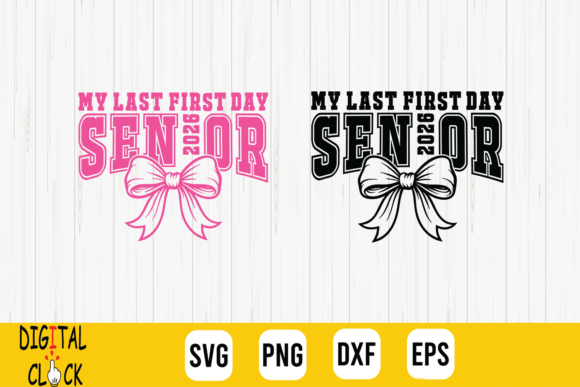
One of the most common mistakes beginners make when purchasing digital cut files is assuming all formats are interchangeable. A listing for the My Last First Day Senior 2026 Graduation Bow Back to School Class Of 2026 design typically includes SVG, PNG, EPS, and DXF files within a single ZIP archive. While these files serve different purposes, using the wrong one can ruin your project before it even begins.
If you attempt to use a raster image (like a low-resolution PNG) for cutting vinyl or embroidery, you will face jagged edges and pixelation that no amount of post-processing can fix. Conversely, trying to use a complex vector file (SVG or EPS) on software that doesn't support layering can lead to confusion and wasted material. The DXF format is essential for those using specialized laser engraving machines or older cutting plotters, yet many users overlook its importance until they realize their machine cannot read the primary file type.
To avoid these errors, always verify which file extension matches your specific equipment. If you are printing on t-shirts using heat transfer vinyl, an SVG or EPS file is usually best because it allows you to separate colors and layers easily. For sublimation printing on mugs or bowls, a high-resolution PNG is required, but ensure the resolution is at least 300 DPI to maintain sharpness on curved surfaces.
Why Resolution Matters Beyond the Screen
High-resolution downloads are frequently advertised, but what does that actually mean for your physical product? A file might look perfect on your monitor, but if the pixel density is insufficient for the size of the print area, the result will be blurry. This is especially critical for larger items like posters or wallpaper where details need to remain crisp across a wide surface area.
When evaluating the My Last First Day Senior 2026 Graduation bundle, check the dimensions provided in the file properties. If the design is intended for a standard 8x10 poster but the file only supports a 4x6 output, scaling it up will degrade the image quality. Professional-grade designs should scale without losing detail. Always test a small section of the design on scrap material before committing to expensive substrates like ceramic mugs or glass bowls.
Misunderstanding Licensing and Usage Rights
Another frequent oversight involves the legal scope of the digital download. Just because you purchased the file does not automatically grant unlimited commercial rights. Many sellers distinguish between personal use and commercial production. If you plan to sell shirts featuring the Class Of 2026 bow design at a local market or on an e-commerce platform, you must ensure the license explicitly permits commercial use.
Failing to check these terms can lead to copyright strikes or legal disputes, which can be devastating for a small business owner or freelancer. Some licenses allow you to sell the finished physical product but prohibit selling the digital file itself or redistributing it. Always read the fine print regarding the number of units you are allowed to produce. Ignoring these restrictions can turn a profitable venture into a costly liability.
Selecting the Right Substrate for the Design
Even with the correct files and permissions, the choice of material affects the final outcome. The My Last First Day Senior 2026 Graduation design features text and a bow graphic. On dark-colored fabrics, a standard white print may lack contrast unless you use a specific underbase technique or reflective vinyl. Similarly, applying a design meant for flat surfaces onto a curved mug requires careful alignment and stretching calculations.
For apparel, consider the fabric composition. Cotton blends hold ink differently than polyester. If you are using heat press technology, the temperature and pressure settings must be adjusted based on the material. Using settings designed for cotton on a polyester blend can cause scorching or peeling. Before launching a full run of products, create a prototype to test durability through washing cycles. This step prevents customer complaints about fading or cracking after just a few wears.
Evaluating Design Complexity and Cut Time
Designs that appear simple often hide complexity that impacts production efficiency. The bow element in the Back to School Class Of 2026 theme may consist of hundreds of tiny nodes and paths. In vector software, excessive nodes can slow down rendering and increase cutting time significantly. For a hobbyist or a small business processing large orders, this extra time translates directly into higher labor costs.
A well-optimized file minimizes unnecessary points while maintaining the curve's integrity. If you notice your cutting machine struggling or taking hours to complete a single shirt, the file might be over-complicated. Look for listings that mention "cleaned paths" or "optimized for cutting." These descriptions indicate that the creator has reduced the node count to streamline the workflow. Taking the time to clean up your own files using software tools can also save hours of operation time.
Practical Steps for a Successful Launch
To ensure your project runs smoothly, follow a systematic approach before buying or using any digital asset. First, identify your target audience and the specific products you intend to create. Are you making gifts for a close-knit group of friends, or are you building a brand for a broader market? Your answer dictates the level of quality and licensing you need.
- Verify File Compatibility: Open the SVG or EPS file in your design software immediately to check for missing fonts or broken links.
- Check License Terms: Confirm whether you have the right to sell the finished goods and if there are limits on quantity.
- Test Print Quality: Produce a sample on the actual material you plan to use, including a wash test for clothing.
- Assess Color Separation: Ensure the design separates correctly for multi-color prints, especially for the bow details.
By paying attention to these details, you move beyond simply having a file to creating a professional product. The My Last First Day Senior 2026 Graduation design offers a beautiful opportunity to celebrate a milestone, but its success depends on your preparation. Avoid the trap of rushing into production with untested files or incorrect materials. Instead, take the time to understand the nuances of vector graphics, licensing, and substrate selection.
Whether you are an educator organizing a class party, a parent wanting a custom gift, or an entrepreneur starting a side hustle, the key to satisfaction lies in due diligence. High-resolution, instant download files are convenient, but they require the right application to shine. By avoiding common pitfalls and adopting a methodical approach, you can ensure that every item bearing the Class Of 2026 logo stands out as a high-quality, memorable piece of memorabilia.